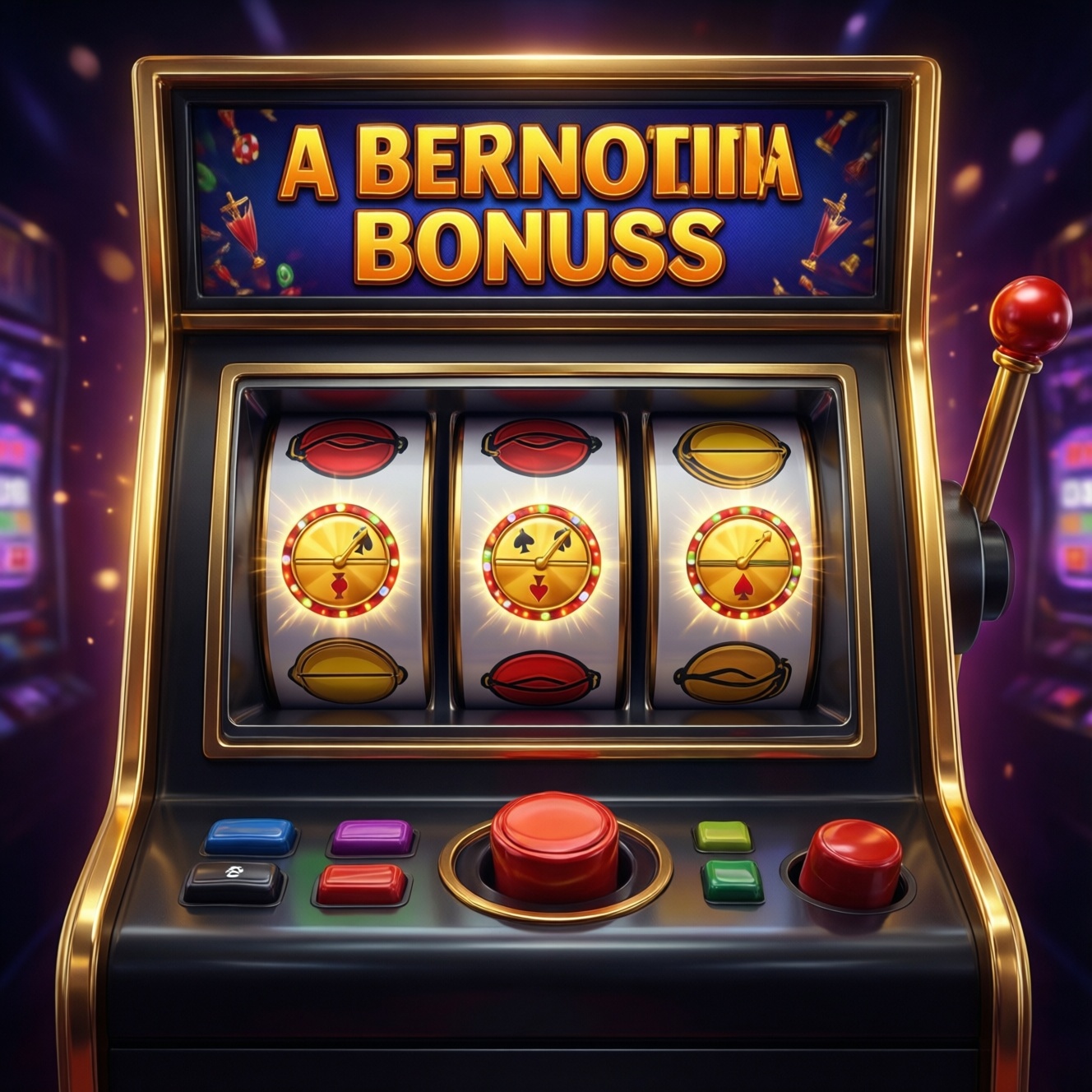
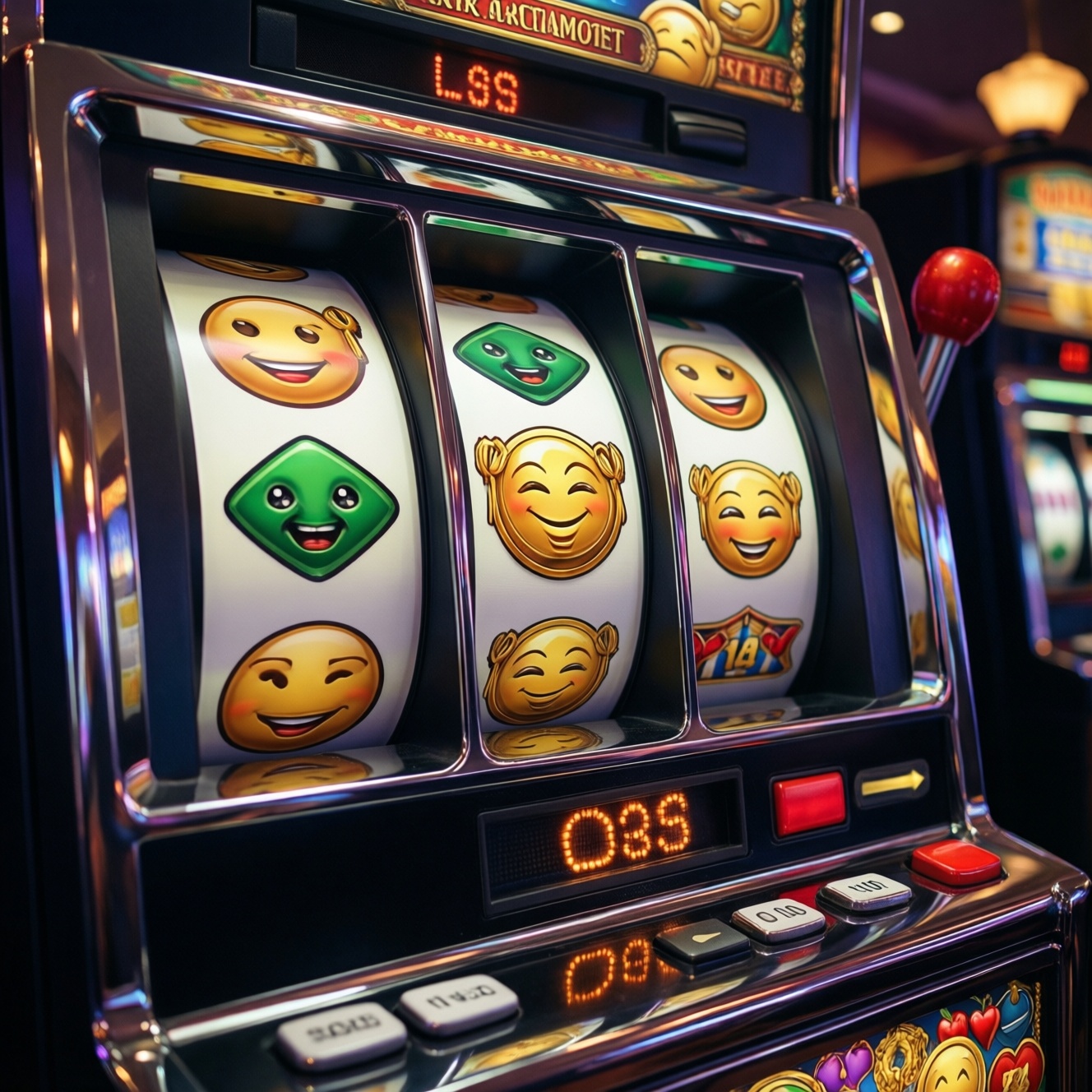
In slot games, a near miss is an outcome that visually or temporally resembles a win but is objectively a loss. Slot design can make near misses salient, frequent-seeming, and emotionally activating, shifting players' perceived probability of winning. Understanding these mechanics helps designers test impact, and helps researchers separate display effects from true payout odds.
Core insights and practical implications
- If you change only reels/animations (not math), then you can still change perceived likelihood and persistence via the slot machine near miss effect.
- If your UI makes "almost winning" more legible than "losing," then players will overweight proximity cues when estimating probability.
- If you cluster near misses after wins or during streaks, then you risk creating misleading learning signals (perceived "hotness").
- If you evaluate harm risk, then measure behavior (re-spins, bet escalation, session length) rather than self-report alone.
- If you ship in Thailand (th), then treat near-miss salience as a product risk area and document mitigations alongside other player-protection decisions.
How 'near miss' outcomes are generated in slot mechanics
A near miss is not a "special" probability state; it's typically a presentation of a losing outcome that appears close to a winning pattern (e.g., two bonus symbols shown with the third "just above" the payline). In near miss slot machine psychology, the critical boundary is: the player perceives meaningful closeness, while the underlying result remains a non-win.
Near misses can be generated by how outcomes are mapped from the random result to what is displayed (virtual reels, symbol distribution, stop positions) and by how motion and timing highlight "almost" outcomes. This is distinct from changing return-to-player or hit frequency; you can keep the same math and still alter how often "near" patterns appear visually.
Near misses also include sequential near misses (e.g., a bonus meter that fills to 95% and resets) and multi-line near misses (e.g., one line shows two-of-a-kind with a miss, while other lines obscure the overall loss).
- If you want near-miss analysis to be defensible, then define it operationally (what visual pattern counts as "near" and on which line/feature).
- If you are comparing games, then separate "math frequency of near configurations" from "UI salience of near configurations."
- If you change reel mapping or symbol layout, then re-audit near-miss prevalence because it can shift without any intentional "near miss" feature.
Perceptual biases: why near misses feel like wins

Near misses feel compelling because they recruit the same attention and learning systems that track progress toward goals, while leaving ambiguity about controllability and future success. The UI supplies "distance-to-reward" cues that players often treat as probability cues-even when distance is informationally irrelevant on independent spins.
- If the display emphasizes spatial proximity (one symbol off), then players infer "I was close" as "I'm more likely next time."
- If the animation uses temporal deceleration (slow final reel), then anticipation rises and the miss is encoded more strongly.
- If audio/visual feedback resembles a win (bright flashes, uplifting stingers), then the loss is partially categorized as a "quasi-win."
- If the game shows counterfactuals (what would have paid), then players focus on the missed reward rather than the base rate of wins.
- If a feature frames outcomes as progress (meters, collections), then near completion increases persistence even when completion is random.
- If the UI suggests skill or timing (stop buttons, nudges with weak agency), then near misses amplify illusion of control.
- If you're diagnosing perception shifts, then test whether players interpret proximity as probability in post-task estimates.
- If you must show near configurations, then avoid win-like feedback on losses to reduce quasi-win categorization.
- If you offer stop controls, then communicate clearly when they do not affect outcomes to prevent skill misattribution.
Slot design variables that amplify perceived probability
Many patterns that increase perceived chance sit inside slot machine design psychology and casino slot machine design principles even when they are not labeled as "near miss." The common mechanism is increasing the availability and memorability of "almost" outcomes versus ordinary losses.
- Virtual reel weighting: If high-value symbols are mapped to appear near paylines more often than their true win contribution implies, then "almost hit the jackpot" becomes a frequent visual experience.
- Losses disguised as wins (LDWs): If small returns are celebrated like wins (even when net loss), then players anchor on "winning moments," making near misses feel like part of a win-heavy session.
- Feature-entry meters: If a meter repeatedly reaches high completion and resets, then players learn persistence cues ("I'm due") from a random process.
- Multi-line clutter: If many paylines show partial matches, then attention is drawn to near patterns while the global outcome remains a loss.
- Timing and sound design: If the last reel slows and the audio peaks before the miss, then arousal and recall strengthen for near misses.
- If you tune reel strips or symbol mapping, then simulate and report "near-pattern rate" separately from win rate.
- If you use celebratory feedback, then reserve it for net-positive outcomes to avoid blurring wins, LDWs, and near misses.
- If you add meters or collections, then ensure progress signals reflect transparent rules rather than purely random "almost there" loops.
Neurobehavioral and decision-making consequences
Near misses can increase immediate engagement by increasing arousal and perceived momentum, but they can also distort probability judgment and promote persistent play. Effects vary by player traits, context, and how strongly the UI frames near misses as meaningful progress.
- If near misses are highly salient, then you may see shorter inter-spin pauses and faster re-bet behavior.
- If players interpret near misses as "learning," then bet sizing may drift upward after near misses despite independence of trials.
- If near misses are paired with win-like feedback, then session narratives shift toward "I was basically winning," reducing perceived loss.
- If your goal is entertainment without misleading cues, then limit near-miss amplification and reduce win-like reinforcement on losses.
- If you evaluate player protection, then treat near-miss salience as a risk factor similar to other intensifiers (speed, volatility framing).
- If you study mechanisms, then separate arousal (physiology/behavioral speed) from belief change (probability estimates/choice policy).
Measuring impact: metrics and experimental approaches
Measuring near-miss influence is often undermined by confounds: changing perceived probability without changing actual probability, mixing outcome types, or relying on subjective recall. You'll get cleaner inference by tying each claim to an observable metric and a manipulable parameter.
- If you only measure self-report ("felt close"), then you may miss behavioral effects; add objective measures like re-spin latency and bet adjustments.
- If you compare games with different volatility/returns, then you can't attribute differences to near misses; control the math and vary only near-miss presentation.
- If you label any "two symbols shown" as near miss, then you inflate counts; define near miss relative to the player's attended payline/feature.
- If you don't separate LDWs from near misses, then effects get misattributed; code them as distinct outcome categories.
- If you ignore learning over time, then you miss adaptation; analyze early-session vs late-session behavior separately.
- If you want causal evidence, then use A/B or lab manipulations that hold payout math constant while varying near-miss salience.
- If you want interpretable dashboards, then track near-miss exposure rate, post-near-miss rebet speed, and post-near-miss bet change.
- If you publish findings internally, then document the operational definition, coding rules, and excluded outcomes (especially LDWs).
Mitigation, regulation, and ethical design choices
Mitigation means reducing misleading probability cues without removing legitimate excitement. In practice, this is a set of "if..., then..." guardrails: if a UI element increases perceived control or probability without changing odds, then you either soften it, disclose it, or pair it with friction and clarity.
Mini-case: adjusting a bonus-entry meter
If your bonus meter frequently lands at 90-99% and then resets, then redesign it to avoid repeated high-completion near misses; for example, make progress increments transparent, reduce "almost full" dwell time, and avoid win-like sounds on resets.
// Pseudocode for ethical guardrail checks (presentation-only changes)
if (outcome == LOSS && feedback.isWinLike()) then feedback.downgrade();
if (pattern.isNearMiss() && animation.slowsFinalReel()) then animation.normalizeSpeed();
if (feature.isProgressMeter() && meter.oftenPeaksThenResets()) then meter.reducePeakSalience();
Player protection: if you deploy responsible gambling tools near miss effect mitigations, then target the moments right after near misses (cooldown prompts, reality checks) rather than generic reminders, and ensure messaging is factual (independent spins, no "due" outcomes).
- If you can't justify a near-miss intensifier as non-misleading, then remove or soften it (speed, audio peak, "almost" highlights).
- If you keep near-miss patterns visible, then add clarity that each spin is independent and that proximity does not imply higher odds.
- If you build RG features, then trigger them based on near-miss exposure plus persistence signals (rapid re-spins, bet escalation).
Self-check before shipping near-miss-related changes
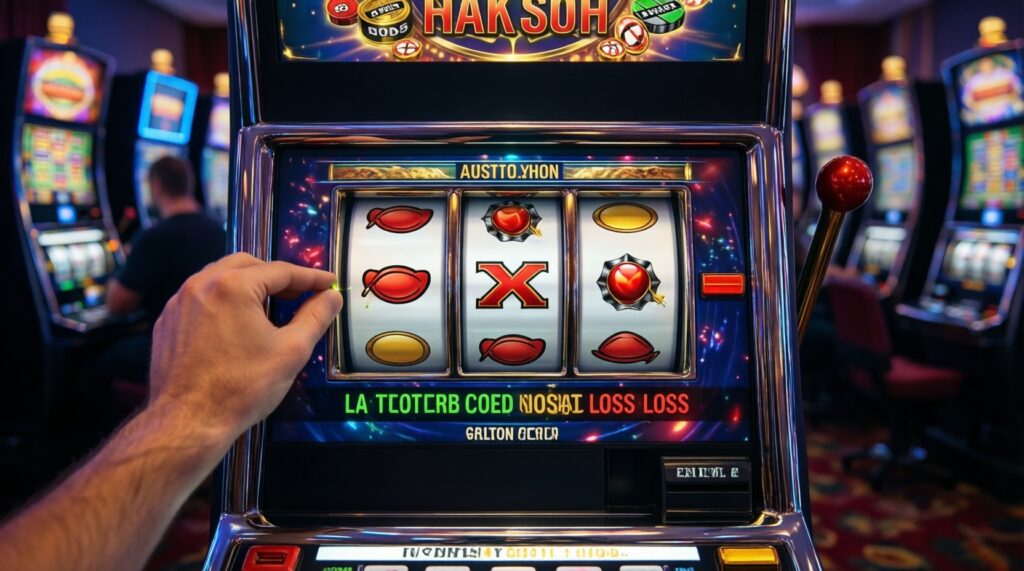
- If a change increases "almost win" salience, then confirm you can explain it without implying better odds.
- If you changed reels, symbol mapping, or meter behavior, then re-measure near-miss exposure and post-near-miss behavior deltas.
- If feedback on losses resembles wins, then revise audio/visual hierarchy so losses read as losses.
- If you add stop/skill-like controls, then ensure disclosures are clear and tested for comprehension.
Practical queries from designers and researchers
Is a near miss the same as changing the game's odds?
No. A near miss is typically a display and timing phenomenon; odds can remain constant while perceived probability changes.
How do I define a near miss in a way that's measurable?
Define it as a loss that matches a pre-specified "within one symbol/step" criterion on an attended line or feature, with explicit coding rules.
What's the simplest behavioral indicator that near misses are affecting play?
Look for reduced post-spin latency and increased immediate re-bet rate specifically after near-miss trials versus matched ordinary losses.
Do LDWs count as near misses?
No. Losses disguised as wins are outcomes with a payout that is smaller than the wager; near misses are losses that look close to a win.
How can I reduce harm without making the game feel dull?
Remove win-like feedback on losses, normalize deceleration on the final reel, and make progress features transparent rather than "almost complete" loops.
Which design change is most likely to create illusion of control?
Stop buttons or timing cues that feel skill-based. If they don't affect outcomes, then disclose that clearly and avoid animations implying precision control.
What should I document for compliance or internal review?
Record the operational near-miss definition, the parameters you changed (timing, audio, reel mapping), and the pre/post metrics tied to persistence.