

Hit frequency and bonus frequency describe different event rates: hit frequency is how often any paying outcome appears on a spin, while bonus frequency is how often a specific feature (free spins, respins, pick-and-win) triggers. To choose the better option, match hit frequency to your bankroll stability and bonus frequency to your preferred "feature time" and variance.
Core distinctions: hit frequency vs. bonus frequency
- What it counts: hit frequency counts paying hits; bonus frequency counts feature triggers.
- What it feels like: higher hit frequency reduces dead spins; higher bonus frequency increases feature engagement.
- What it does to variance: hits can be frequent but tiny; bonuses can be rare but dominant in total payout.
- Where confusion happens: a slot can have "lots of wins" yet "few bonuses," or the reverse.
- How to pick: bankroll-first: stabilize with hit frequency, then decide how much you want to rely on bonuses.
Defining hit frequency: mechanics, units and measurement
In practice, slot hit frequency meaning is "the share of spins that return any payout" (including very small returns). When comparing hit frequency vs bonus frequency slots, measure hit frequency consistently and with the same assumptions.
- Define "hit" upfront: does it mean any payout, or only payouts ≥ your bet size?
- Use a clear unit: hits per 100 spins is easier to reason about than vague labels like "often."
- Separate base game vs. feature: base-game hit rate can differ dramatically from in-bonus hit rate.
- Account for stake changes: if you raise/lower bet size, your "feel" changes even if hit rate doesn't.
- Watch for deceptive micro-wins: frequent 0.1-0.8x returns can inflate hit frequency while still draining balance.
- Note symbol/ways mechanics: cascading, ways-to-win, and adjacent pays typically change how "hits" cluster.
- Sample size discipline: short sessions can mislead; treat your observed rate as a rough signal, not a guarantee.
- Track with a quick log: 100-200 spins with "hit / no hit" is enough to compare two games roughly.
Compact examples (illustrative):
- If you see 38 paying spins out of 100, your observed hit frequency is 38%.
- If you redefine "hit" as payout ≥ 1.0x bet and only 16 spins qualify, the "meaningful hit" frequency becomes 16% (same game, different definition).
- If a cascade game pays 0.2x frequently, you may record 45% hits while still experiencing steady net loss between features.
Defining bonus frequency: sources, stacking and display
Slot bonus frequency meaning is "how often a bonus feature starts," usually measured as triggers per 100 spins or an average spins-per-bonus estimate. Bonuses can come from scatter triggers, meter fills, random features, or purchased entries; don't treat them as interchangeable.
| Variant | Who it suits | Pros | Cons | When to choose |
|---|---|---|---|---|
| High base-game hit frequency (few features) | Budget-first players who want steadier sessions | Smoother balance curve; fewer long dead stretches | Features feel rare; excitement may be lower | When you want to stretch a small bankroll and reduce "nothing happens" spins |
| Lower hit frequency, higher feature emphasis | Players chasing feature-led outcomes | More memorable peaks; session "story" revolves around bonuses | Longer losing streaks between triggers | When you can tolerate dry spells to get more feature time |
| Frequent small bonuses (mini free spins/respins) | Intermediate players who prefer many short features | Regular feature engagement; easier emotional pacing | Bonuses may underwhelm; total value may be spread thin | When you want the feel of "best slots with frequent bonuses" without huge volatility |
| Infrequent large bonuses (big-feature model) | Players comfortable with high variance | One feature can define the session | Bonuses can be rare; bankroll needs room for misses | When you explicitly want fewer but higher-impact feature events |
| Progress meters/collect mechanics (stacking triggers) | Trackers who like goals and accumulation | Clear progress feedback; perceived control improves discipline | Meters can reset or slow down; hard to compare across games | When you will actually track progress and stop before chasing resets |
| Bonus buy / feature purchase (premium control) | Premium-budget players who accept higher cost for faster features | Immediate access to the bonus; predictable "feature time" | High upfront spend; easy to overshoot bankroll; not always available | When you set strict caps and treat it as a paid shortcut, not a recovery tool |
Direct and indirect interactions: how frequencies combine in practice
Hit frequency and bonus frequency interact through your bankroll curve: hit frequency controls how quickly you bleed between features; bonus frequency controls how often you get "re-priced" by a feature's payout distribution.
- If your bankroll is small and you're testing new games, then prioritize high hit frequency slots first, and only then filter for moderate bonus frequency to avoid quick bust-outs.
- If you feel bored by steady small hits, then accept lower hit frequency but target games where bonuses trigger often enough that you don't tilt between features.
- If a game has frequent bonuses but your balance still drops fast, then check whether base-game hits are mostly micro-wins; "feature time" can be high while bankroll stability is low.
- If you mainly want big peaks, then tolerate lower bonus frequency-but only with a pre-set session stop-loss so dry spells don't force stake increases.
- If you're choosing a budget option, then avoid premium shortcuts like bonus buys and instead pick frequent small bonuses or progress meters you can grind without sharp bankroll shocks.
- If you're choosing a premium option, then use bonus buys only after you've validated the base-game feel; treat the buy as a controlled "feature sampler," not as a way to chase losses.
Common calculation pitfalls and how to avoid them
- Write two separate questions: "How often do I get paid?" (hit frequency) and "How often do I enter a feature?" (bonus frequency).
- Choose one hit definition: any payout vs. payout ≥ 1.0x bet; don't mix them mid-comparison.
- Log a short baseline: record 100 spins: hits, bonuses triggered, and whether bonuses were bought or natural.
- Compute simple rates: hit rate = hits/100; bonus rate = bonuses/100 (keep them separate).
- Sanity-check "feel": if hit rate looks high but balance falls fast, classify those hits as mostly micro-wins.
- Compare like-for-like: same stake, same game mode, no switching between turbo/normal if you're judging pacing.
- Decide your constraint first: if bankroll preservation is the constraint, pick hit frequency; if engagement is the constraint, pick bonus frequency.
Budget-first gearing: prioritization rules and trade-offs
- Assuming "more hits" means "better value": high hit frequency can be dominated by tiny returns that don't sustain play.
- Chasing "best slots with frequent bonuses" without checking bet sizing: frequent bonuses at too-high stakes still break a small bankroll.
- Using bonus buys as a default: it converts variance into an immediate, larger bankroll risk-fine for premium play, risky for budget-first.
- Overweighting one great bonus you saw once: one feature outcome is not the bonus frequency, and not the payout profile.
- Ignoring session length: lower hit frequency demands more spins (and budget) to "wait for the game" to show its character.
- Confusing "near misses" with frequency: animations and tease effects do not increase actual bonus frequency.
- Switching games after losses: you reset any progress-meter mechanics and lose the only part you were "stacking."
- Trying to fix volatility by raising stake: it amplifies swings; it doesn't improve either frequency.
Worked examples and a compact comparison table
For a budget-first player who wants longer sessions, the better fit is usually a game with higher hit frequency and either frequent small bonuses or meter-based triggers. For a premium player who values feature time and is comfortable with bigger swings, lower hit frequency paired with higher bonus frequency (or selective bonus buys) can be a better match.
| Metric | What you measure | Simple formula | Example (illustrative) | What it changes in play |
|---|---|---|---|---|
| Hit frequency | Any paying spin (per your definition) | hits ÷ spins | 38 hits ÷ 100 spins = 0.38 (38%) | Dead-spin rate and "smoothness" between notable events |
| Meaningful hit frequency | Payouts ≥ 1.0x bet | meaningful hits ÷ spins | 16 meaningful hits ÷ 100 = 0.16 (16%) | How often you truly "get your bet back or better" |
| Bonus frequency | Natural feature triggers | bonuses ÷ spins | 2 bonuses ÷ 100 spins = 0.02 (2%) | How often gameplay shifts into bonus mode |
| Spins per bonus (rough) | Average spins needed per trigger | spins ÷ bonuses | 100 ÷ 2 ≈ 50 spins per bonus | How long you typically wait for a feature |
Practical clarifications and concise answers
Can a slot have high hit frequency but low bonus frequency?
Yes. You can get many small base-game payouts while bonus features trigger rarely, which is why hit frequency vs bonus frequency slots comparisons must separate the two.
Does higher bonus frequency automatically mean better results?
No. More frequent bonuses can pay smaller on average, and the base game can still drain your balance between triggers.
What is the fastest way to estimate hit frequency during play?
Count paying spins over a fixed block like 100 spins using one definition of "hit." That quick log usually beats relying on feel.
Are bonus buys a way to "increase bonus frequency"?
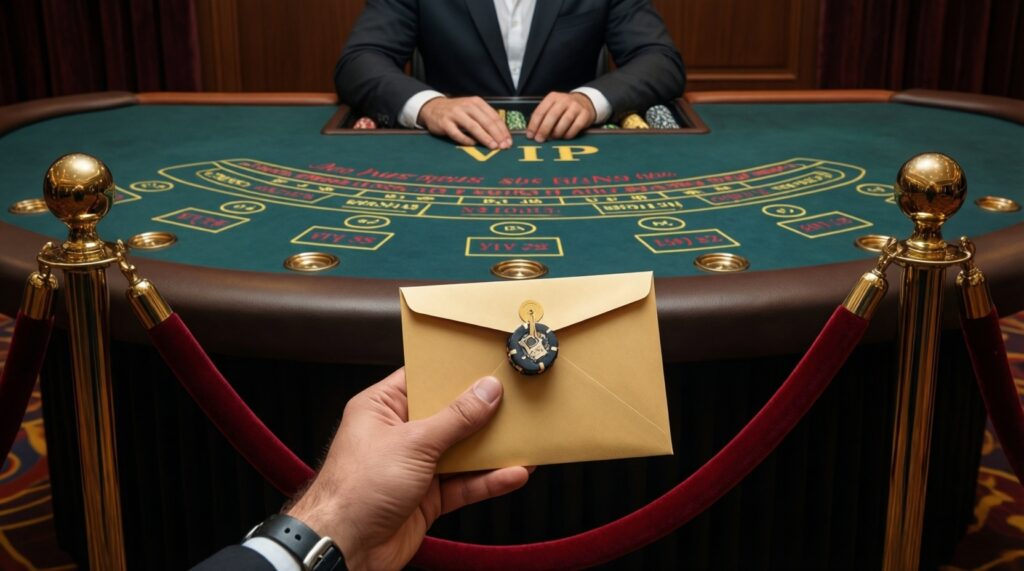
They increase paid access to bonuses, not the natural trigger rate. Treat them as a premium option with strict bankroll caps.
Why do some high hit frequency slots still feel "brutal"?
Because many hits are micro-wins below your bet size. The hit counter goes up, but net balance can still trend down.
How should I choose if I want the best slots with frequent bonuses on a small budget?
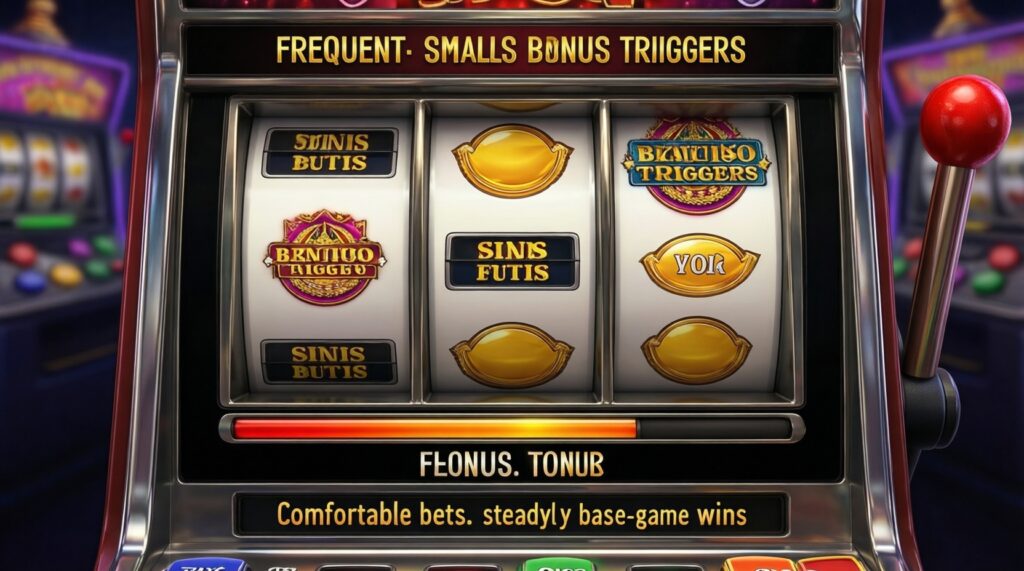
Prefer naturally frequent small bonuses or progress meters, paired with a comfortable stake and decent base-game hits. Avoid relying on bonus buys to create feature time.
Is "spins per bonus" the same as bonus frequency?
They're inverses. Bonus frequency is bonuses/spins, while spins per bonus is spins/bonuses; both describe the same concept from different angles.