

A mindful slot routine is a repeatable way to play slots for entertainment while controlling time, money, and emotional triggers. It combines an entertainment-only budget, short pre-planned sessions, and clear stop rules (loss, win, time, and mood). Use it to reduce impulsive spins, support online slots bankroll management, and make stopping automatic.
Essential Principles for a Mindful Slot Routine
- Define success as sticking to your plan, not winning.
- Separate your slots money from living money with hard boundaries.
- Use short sessions with a timer; stop when it rings.
- Choose games intentionally (RTP/volatility) to match your comfort level.
- Track spend and mood to spot tilt early.
- Pre-commit to stop rules, then enforce them mechanically.
Setting Clear Goals: Entertainment vs. Expectation
This approach fits intermediate players who want a stable, repeatable routine, especially for online play where friction is low and "just a few more spins" is easy. It's also useful if you want responsible slot gambling tips that feel practical rather than moralizing.
Do not try to build a routine if you're currently chasing losses, hiding play from family, borrowing to gamble, or feeling unable to stop once you start. In those cases, prioritize account limits, self-exclusion, and local support before any "routine" improvements.
Designing a Sustainable Slot Budget and Session Plan

To set a gambling budget for slots that you can actually follow, prepare the minimum tools that make breaking the plan inconvenient:
- One dedicated entertainment wallet (separate bank account, e-wallet, or prepaid card) used only for slots.
- Casino responsible-gaming controls (deposit limit, loss limit, session time limit, reality check pop-ups) enabled before you play.
- A timer (phone alarm or system timer) set for your planned session length.
- A simple tracking note (notes app or spreadsheet) with: date, time planned, amount loaded, amount cashed out, mood.
- A friction rule: no saved payment methods; no instant top-ups; no credit.
Conservative examples that many intermediate players can sustain: one session of 20-30 minutes, a fixed "session stake" you can lose comfortably, and a hard cap of 1 session per day (or fewer). Adjust downward if you notice urges to extend sessions.
Choosing Games with Intent: RTP, Volatility, and Entertainment Value
Risks and limits to accept upfront (so your expectations stay realistic):
- Slots are negative-expectation entertainment; RTP doesn't guarantee short-term results.
- High volatility can create long dry spells that trigger chasing and "tilt."
- Bonuses and near-misses can increase time-on-device and impulsive decisions.
- Changing games doesn't "reset luck"; it only changes variance and pacing.
-
Decide your session goal in one sentence.
Pick an entertainment target such as "30 minutes of low-stress spins" or "a feature-hunt session with a strict cap." This is the anchor of your mindful slot routine when emotions start pushing for more. -
Filter by volatility to match your temperament.
If you dislike long losing stretches, avoid very high volatility. If you choose higher volatility, shorten the session and lower the stake to reduce pressure.- Low-medium volatility: steadier feedback; often easier for budget discipline.
- High volatility: more extreme swings; higher risk of chasing.
-
Use RTP as a tie-breaker, not a promise.
When two games feel equally enjoyable, prefer the higher RTP option. Don't increase stake or session length "because RTP is good." -
Set a stake that fits your session cap.
Choose a bet size that makes it plausible to last the whole session without reloading. This is the practical core of online slots bankroll management: stake follows the plan, not the mood. -
Pre-commit to one game (or a strict two-game menu).
Game-hopping often disguises chasing. Limiting choice reduces impulsive switching after losses and helps you notice emotional drift faster. -
Define one "stop condition" linked to the game's pace.
Examples: stop after one bonus round, or after a fixed number of spins, or when the timer ends-whichever comes first. This is one of the most effective responsible slot gambling tips because it replaces negotiation with a rule.
Rituals and Environment: Creating Mindful Session Habits
Use this quick check before you start. If you fail any item, delay the session or reduce the planned spend/time.
- I can describe my plan: session length, session stake, and stop rules.
- I enabled deposit/loss/time limits before loading funds.
- I am not playing to fix stress, boredom, anger, or to recover losses.
- I will not drink heavily or use substances during the session.
- I removed easy top-ups (no saved card, no one-click deposits).
- I set a timer and placed the phone out of reach (or on loud alert).
- I'm in a place where I can stop immediately without social pressure.
- I know what I will do after stopping (walk, shower, snack, message a friend).
Tools to Track Time, Spend, and Emotional State
Common mistakes that break routines even for experienced players:
- Tracking only wins/losses, not time. Time creep is usually the first boundary to fail.
- Reviewing results mid-session. Checking balance every few minutes amplifies emotional swings.
- Letting "one more deposit" feel normal. Reloading turns a capped session into an open-ended chase.
- Using credit or borrowed funds. This converts entertainment into financial risk immediately.
- Ignoring mood signals. Irritation, urgency, and "I need to get even" are stop-now indicators.
- Assuming discipline will appear later. If you haven't set limits before playing, you're relying on willpower at the worst time.
- Keeping autoplay running while distracted. It increases dissociation and spend-speed.
- Celebrating a win by extending play. "Playing with house money" often becomes giving it back plus more.
Exit Strategies: Recognizing Limits and Enforcing Stop Rules
If you repeatedly break your own rules, switch to a stronger alternative instead of trying to "be more disciplined."
- Hard limit escalation (best when you still want to play occasionally). Lower deposit limits, add a strict loss limit, and remove all payment methods. Use longer cool-off periods after any session.
- Friction-first routine (best when online play feels too fast). Only play on a device without stored credentials, require re-login, and avoid apps. If possible, play only during a fixed time window.
- Self-exclusion or extended cool-off (best when you're asking "how to stop playing slots"). Use operator self-exclusion tools and block access on your devices. Tell one trusted person your plan to add accountability.
- Replace the reward loop (best when gambling is filling a mood/attention gap). Schedule a substitute activity immediately after the planned stop (exercise, game, social call) to reduce rebound cravings.
Practical Answers for Common Slot Routine Dilemmas
What's the simplest mindful slot routine I can follow tonight?
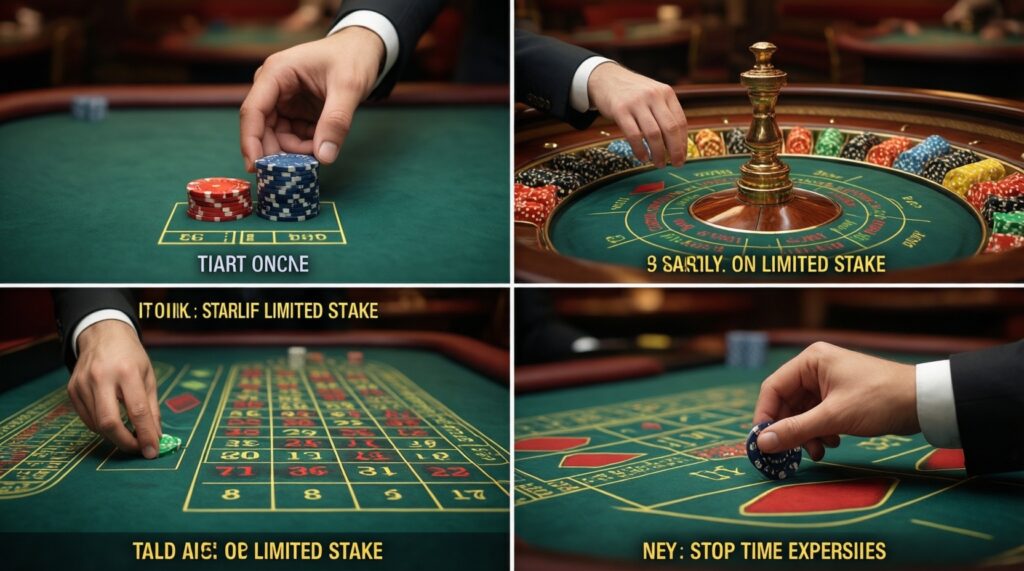
Pick one game, set a 20-30 minute timer, load only a pre-capped session stake, and stop when the timer rings or the stake is gone. Do not reload.
How do I set a gambling budget for slots without constantly adjusting it?
Use a separate entertainment wallet and set casino deposit limits that match it. If you feel the urge to "edit the budget," treat that as a signal to take a cool-off day.
Which is more important: RTP or volatility?
Volatility usually affects your experience and tilt risk more in the short run. Use RTP as a tie-breaker between games you already enjoy.
What if I hit a decent win early in the session?
Stick to the original stop rule or lock in a cash-out immediately, then end the session. Extending play after a win often becomes the fastest way to return funds.
I keep breaking my stop rules-what should I change first?
Remove reload options and lower deposit limits so breaking rules becomes mechanically difficult. Rely less on willpower and more on pre-commitment tools.
How do I know it's time to stop playing slots for a longer period?
If you're chasing losses, hiding play, borrowing money, or repeatedly failing limits, escalate to self-exclusion and seek support. Your priority is harm reduction, not optimizing a routine.