

Multi-version RTP slots are the same game offered with different long-run payout settings depending on the casino, market, or configuration. If you treat them as identical, then you risk choosing a weaker return without noticing. Before you spin, verify the exact RTP version, confirm volatility clues, and align your bankroll rules to the chosen setting.
Essential checks before betting on multi-RTP slots
- If the page doesn't state the RTP (or it's only in vague terms), then assume you might be on a lower-return version and look for confirmation elsewhere before playing.
- If you see the same slot listed on different casinos, then expect สล็อตหลายเวอร์ชัน RTP ต่างกัน and re-check the RTP each time you switch sites.
- If the casino advertises "high RTP" but doesn't show a number, then treat it as marketing and proceed only after you ตรวจสอบ RTP สล็อต ก่อนเล่น.
- If your goal is steady session time, then prioritize bankroll discipline and volatility fit over chasing "the best-looking" RTP label.
- If you can't find the RTP in the rules/help screen inside the game, then don't rely on third-party snippets unless they clearly match the exact provider and build.
Myths and misconceptions about multiple RTP versions
RTP สล็อต คืออะไร in practical terms: it's a theoretical long-run return averaged over an enormous number of spins, not a promise for your next session. Multi-version RTP means the same slot math model is shipped with multiple payout settings (for example, "high/medium/low RTP" variants) that casinos can deploy.
If you believe "RTP guarantees profit if I play long enough," then you're mixing up expectation with variance; in reality, volatility can dominate your results for a very long time. If you think "every casino must use the highest RTP," then you'll miss the fact that operators may choose among allowed versions.
If you assume "a lower RTP only reduces big wins," then you're oversimplifying: changing RTP can shift the overall balance of payouts across outcomes. If you're asking เล่นสล็อตออนไลน์ RTP ต่ำ เสียเปรียบไหม, then yes-you are mathematically disadvantaged over the long run compared with a higher RTP version of the same game, even though short-term sessions can still swing either way.
How multi-version RTPs are implemented: mechanics explained
- If a provider supplies configurable RTP packages, then the casino typically selects one package during integration (the player usually can't change it in-game).
- If the slot uses the same reels/ways presentation across versions, then the differences often sit in hidden weights (probability tables) rather than visible symbols.
- If the game includes bonus features, then RTP tuning may be distributed across base game and bonuses; a lower RTP may subtly reduce average bonus value or frequency.
- If jackpots are involved, then check whether jackpot contribution is included in the displayed RTP; if it's excluded, then "RTP" may not reflect the full expected return.
- If a casino mirrors the same title under different studio wrappers or languages, then confirm you're not comparing different builds with different RTP disclosures.
- If the rules show multiple RTP values, then the game may list "available theoretical RTPs" rather than the one actually active-so you must identify the active selection.
Metrics to verify: RTP, volatility, hit frequency, and sample size
Use these scenarios to decide what to verify and how to interpret it:
- If you're choosing between two casinos for the same slot, then compare the exact RTP number for the active version first, and only then compare promos and limits.
- If your bankroll is tight, then treat volatility as equal priority to RTP; a "better RTP" high-volatility version can still bust you faster session-to-session.
- If you care about frequent small payouts, then look for any disclosed clues about hit frequency (or "win rate")-and if it's not disclosed, then assume you must learn it only through long observation and accept uncertainty.
- If someone shows you a short-term "proof" video or a few hundred spins, then reject it as evidence; if the sample size is small, then outcomes say almost nothing about the underlying RTP.
- If you're comparing "feels tighter/looser" impressions, then separate variance from RTP: the same RTP can feel very different with different volatility profiles.
| RTP version label (example) | What to verify in the casino UI | What you can realistically infer | Player-fit rule (if... then...) |
|---|---|---|---|
| Higher RTP variant | RTP shown in game info/help; provider name; build/version notes | Better long-run expectation (still not session guarantee) | If you're choosing "value per spin," then prefer this variant once verified. |
| Mid RTP variant | Same as above; confirm it's not just a list of "possible RTPs" | Often indistinguishable short-term vs higher RTP | If you can't access the high RTP version, then play only with stricter stop-loss rules. |
| Lower RTP variant | RTP disclosure location; whether jackpots/side bets are included | Lower long-run expectation; volatility may be unchanged | If you detect a low RTP and you have alternatives, then switch casinos or switch games. |
| "Multiple RTP available" (not specified) | Find the active RTP; screenshot the info panel for your records | Nothing reliable until the active RTP is identified | If the active RTP cannot be confirmed, then treat the game as unknown-risk and avoid. |
How to find reliable RTP data: where to look and what to trust
If you want dependable RTP confirmation, then prioritize primary disclosures inside the game and official integration notes over summaries copied across affiliate sites.
Where to look first (highest trust)
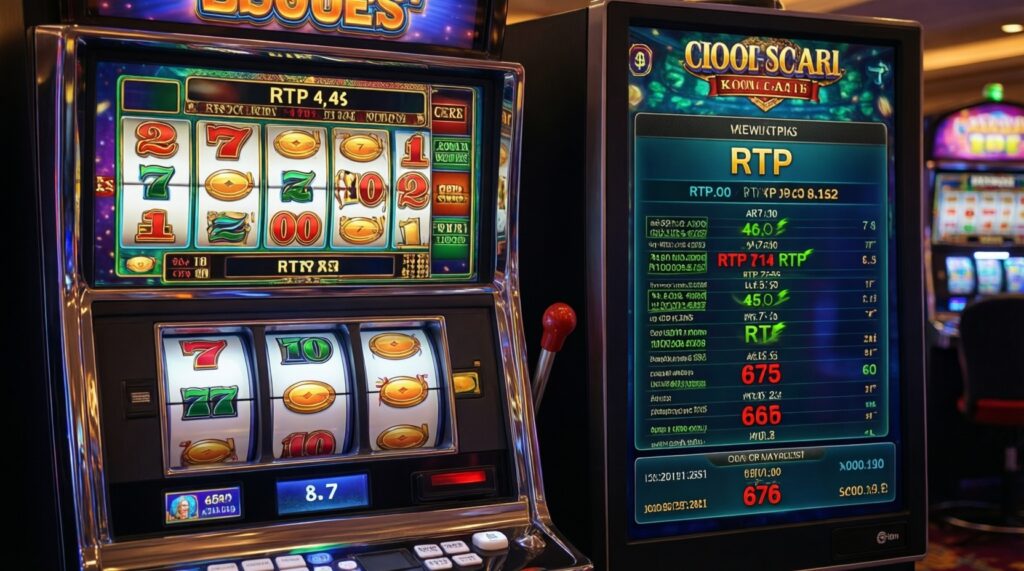
- If the slot has an in-game "i/info/help" panel or paytable screen, then check there for the RTP and any note about multiple RTP settings.
- If the casino provides a game detail page with "RTP" next to the provider, then compare it with the in-game value; if they disagree, then trust the in-game disclosure.
- If you can access provider release notes or an official game sheet, then use it to confirm which RTP options exist and how they're presented.
What to treat carefully (limited trust)
- If a third-party page lists an RTP but doesn't specify casino/operator, then assume it may refer to a different version.
- If you see "RTP range" (e.g., multiple values) but no "active RTP," then don't assume the highest value is applied.
- If a streamer/community claims a specific RTP based on "results," then disregard it; if it's not from a disclosure screen, then it's not verification.
If you're searching สล็อต RTP สูง เล่นที่ไหน, then your actionable method is: pick the casino only after you've found the active RTP inside the same game build you will play, not after reading a listicle.
Risk management strategies for playing different RTP versions
- If you move from a higher RTP version to a lower RTP version, then reduce stake size or session length because your long-run cost per spin is worse.
- If volatility feels high (big swings, long dry spells), then set a strict stop-loss and stop-win; don't "raise bets to force a bonus."
- If you're bonus-hunting, then confirm whether the bonus mechanic is the same across versions; if you can't confirm, then assume the average bonus value may differ.
- If you're comparing two versions, then test them with the same stake and the same time-box; if you keep changing stakes, then you can't attribute outcomes to RTP vs variance.
- If you rely on autoplay or rapid spins, then pre-commit limits first; faster spin volume increases how quickly variance hits your bankroll.
Regulatory and casino-specific disclosure practices
If you play across multiple Thailand-facing operators, then expect disclosure style to vary: some show a single fixed RTP, others show multiple "available RTPs," and some bury the value in help text. If the casino UI is unclear, then your safest workflow is a repeatable verification routine.
If the game info panel shows one RTP value:
  Then record it and proceed with bankroll rules for that volatility.
Else if it shows multiple RTP values:
  Then identify the active RTP (look for "current/selected" or operator note).
  If active RTP cannot be identified:
    Then do not treat the highest value as active; switch casino/game.
Else:
  Then treat RTP as unknown; avoid or play minimal stakes only.
Quick answers to common player concerns
Can I change the RTP version myself inside the slot?
Usually no. If the game has multiple RTP packages, then the operator typically selects the version at integration, not the player.
If two casinos show the same game, is RTP always identical?
No. If the provider offers multiple settings, then two casinos can run different versions even with identical visuals.
Does a higher RTP mean I will win more often?
Not necessarily. If hit frequency and volatility stay similar, then a higher RTP mainly improves long-run expectation, not guaranteed session outcomes.
Is a low RTP slot always a bad choice?
If you have access to a higher RTP version of the same game, then the low RTP version is a worse long-run deal. If you have no alternatives, then compensate with smaller stakes and tighter limits.
How many spins do I need to "confirm" RTP by results?
If you're using outcomes to infer RTP, then no practical session is enough. RTP is theoretical and needs extremely large samples; rely on disclosed values instead.
What's the single fastest way to verify RTP before playing?

If you can open the paytable/help screen, then read the RTP there and screenshot it. If it's missing or ambiguous, then don't assume you're on the best version.
What should I do when the game lists several RTP numbers?
If multiple RTPs are listed, then treat it as "options available," not "your current RTP." Proceed only after you identify the active selection for that casino.