

Loss chasing is the urge to keep gambling after a loss to "get back to even," even when the odds and expected value have not improved. In TH contexts it often shows up in online casino sessions where emotions-frustration, shame, urgency-override probability, pushing bigger bets, longer play, and riskier games.
Core Concepts: Loss Chasing Explained
- Definition: increasing time, stake size, or risk after losses to recover money quickly.
- Trigger: a "near miss," a sudden losing streak, or a larger-than-planned loss.
- Fuel: cognitive biases (systematic thinking errors) plus stress-based decision-making.
- Red flag: switching from entertainment goals to "repairing" finances or mood.
- Practical fix: pre-commitment limits + forced breaks + friction (making it harder to continue).
Behavioral Definition and Typical Scenarios
Loss chasing gambling is not just "playing again." It is a specific pattern: after losing, you change your normal rules (stake, game choice, session length) because the primary goal becomes recovery, not enjoyment. The boundary is intent and escalation: continuing with the same plan is different from escalating to erase a loss.
Typical markers are: raising bet size "just this once," redepositing immediately, or jumping to higher-variance games (where outcomes swing more) to end the discomfort fast. In practice, it often looks like a short planned session turning into an extended session with increasingly emotional decisions.
One simple real-world-style demonstration is the "double-up" behavior seen in many gamblers: after a loss, they double the next stake to return to their previous balance. It feels logical in the moment, but it silently increases the probability of a larger drawdown because the bet growth is not matched by any improvement in odds.
Cognitive Biases Fueling the Escape from Loss
These biases make losses feel like a problem you can solve immediately, instead of a cost you should stop paying.
- Loss aversion: losses feel more painful than equivalent gains feel good, so the mind overpays to remove the pain quickly.
- Sunk cost fallacy: "I've already spent this much, I must continue," treating past losses as an investment that can be rescued.
- Gambler's fallacy: believing a win is "due" after losses, even when each event is independent.
- Recency bias: overweighting the last few outcomes (a streak) and underweighting long-run probabilities.
- Illusion of control: thinking timing, game switching, or "better focus" changes random outcomes.
Empirical-style example you can recognize: after three losses, many players report a strong sense that the next bet has better chances, despite no rule change. That feeling is the bias signal-not new information about probability.
Emotional and Neural Mechanisms Behind Compulsive Recovery
Loss chasing persists because emotions compress time: the brain prioritizes immediate relief (reducing stress now) over future cost (bigger losses later). Under stress, decision-making shifts toward fast, habit-driven choices and away from slow probability reasoning.
- Tilt after a bad beat: anger spikes risk-taking; you chase to "correct the injustice."
- Shame-driven secrecy: you chase to hide the loss from a partner/family, which increases urgency and stake size.
- Nighttime spiral: fatigue reduces self-control; you keep playing because stopping feels like "accepting defeat."
- Near-miss agitation: being close to winning increases arousal and "one more try" thinking.
- Withdrawal-like tension: stopping produces discomfort; continuing becomes the quickest way to change mood.
Practical experiment you can run on yourself: write down your stress level (0-10) right after a loss and again after a 10-minute break. Many people notice the urge drops significantly when arousal comes down-showing the emotional driver is real and time-sensitive.
How Probability Is Misread: Statistical Fallacies in Play
Probability is often understood intellectually but ignored behaviorally when emotions spike. Two common fallacy clusters explain why "I just need one win" feels true when it is not.
- Independence errors: treating independent outcomes as connected (streaks "must" end).
- Base-rate neglect: focusing on the vivid story of a comeback while ignoring the typical long-run result.
- Outcome bias: judging a risky decision as "smart" if it happened to work once.
- Martingale trap: doubling after losses looks like a plan, but it increases variance and can hit limits (bankroll, table limits, self-control).
- "Break-even" illusion: believing you can reliably stop exactly at even, despite randomness and time-on-device effects.
- House edge blindness: confusing short-term volatility with long-term advantage; a temporary win does not change expected value.
Evidence-Based Strategies to Interrupt Loss Chasing
Most failed attempts at how to stop chasing losses come from relying on willpower during the hottest emotional moment. Replace "try harder" with systems that activate automatically.
- Myth: "I'll chase only until I'm back to even." Reality: the stop point moves when you're aroused; define stop-loss and stop-time before you start.
- Mistake: changing games to find a "luckier" one. Switches often increase risk (higher variance) and keep you engaged longer.
- Mistake: instant redeposits. Add friction: remove saved cards, set deposit cooldowns, or require a 24-hour wait.
- Myth: "One big bet ends this." Reality: bigger bets amplify emotional swings and accelerate loss of control.
- Fix: use platform controls. Apply online casino responsible gambling tools such as deposit limits, loss limits, time limits, and self-exclusion-then treat them as non-negotiable.
If you recognize repeated chasing, don't wait for "rock bottom." Seek problem gambling help early; structured support reduces the need to self-regulate while emotionally flooded. If symptoms feel compulsive or persistent, professional gambling addiction treatment (therapy and, when appropriate, medical support) is the most direct path to stability.
Monitoring, Metrics, and Practical Risk Controls
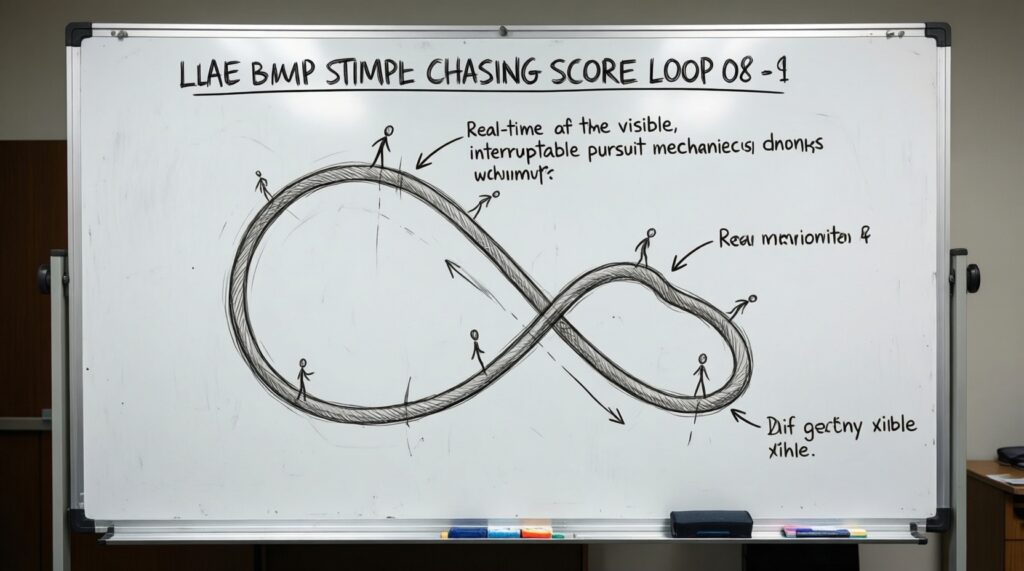
A lightweight tracking loop makes chasing visible and interruptible. Use a single "chasing score" you can compute during play, not after the damage.
Mini-case: a 2-minute self-check during an online session
You planned to spend a fixed amount for entertainment. After an early loss, you feel urgency to recover and consider increasing stakes. Instead, you run this quick rule set and stop if the score crosses a threshold.
chasing_score = 0

if current_bet > planned_bet: chasing_score += 2
if session_time > planned_time: chasing_score += 1
if you redeposit or open a new payment method: chasing_score += 3
if you switch to a higher-variance game "to win faster": chasing_score += 2
if stress_rating (0-10) >= 7: chasing_score += 2

if chasing_score >= 4:
  stop playing
  take a 20-minute break
  block deposits for 24 hours (limits or self-exclusion)
This works because it targets behavior changes (stake/time/redeposit) that reliably appear when emotions override probability.
Self-check checklist (use before the next bet)
- I am not increasing my stake to "recover" a loss.
- I will stop at my pre-set loss and time limits, even if I feel close to winning.
- I will not redeposit today if I hit my limit.
- I can name my current emotion (anger, shame, panic) before deciding.
Targeted Clarifications on Common Doubts
Is loss chasing the same as playing longer after a loss?
No. Loss chasing involves escalation or rule-breaking with the goal of recovery, not simply continuing within a planned budget and time.
Why do I feel a win is "due" after several losses?

That feeling is typically the gambler's fallacy: treating independent outcomes as if they must balance out soon.
Do "near misses" really make chasing worse?
Often yes, because near misses increase arousal and urgency, making "one more try" feel rational even when odds are unchanged.
What is the fastest practical step to stop chasing in the moment?
Add a forced break and friction: stop the session, leave the device for 20 minutes, and lock deposits using limits or a cooldown.
Which responsible gambling tools matter most for chasing?
Loss limits, time limits, deposit caps, and self-exclusion are the most directly aligned with the behaviors that escalate during chasing.
When should I seek professional help?
If chasing happens repeatedly, leads to debts or secrecy, or feels compulsive despite intentions, seek problem gambling help and consider gambling addiction treatment.