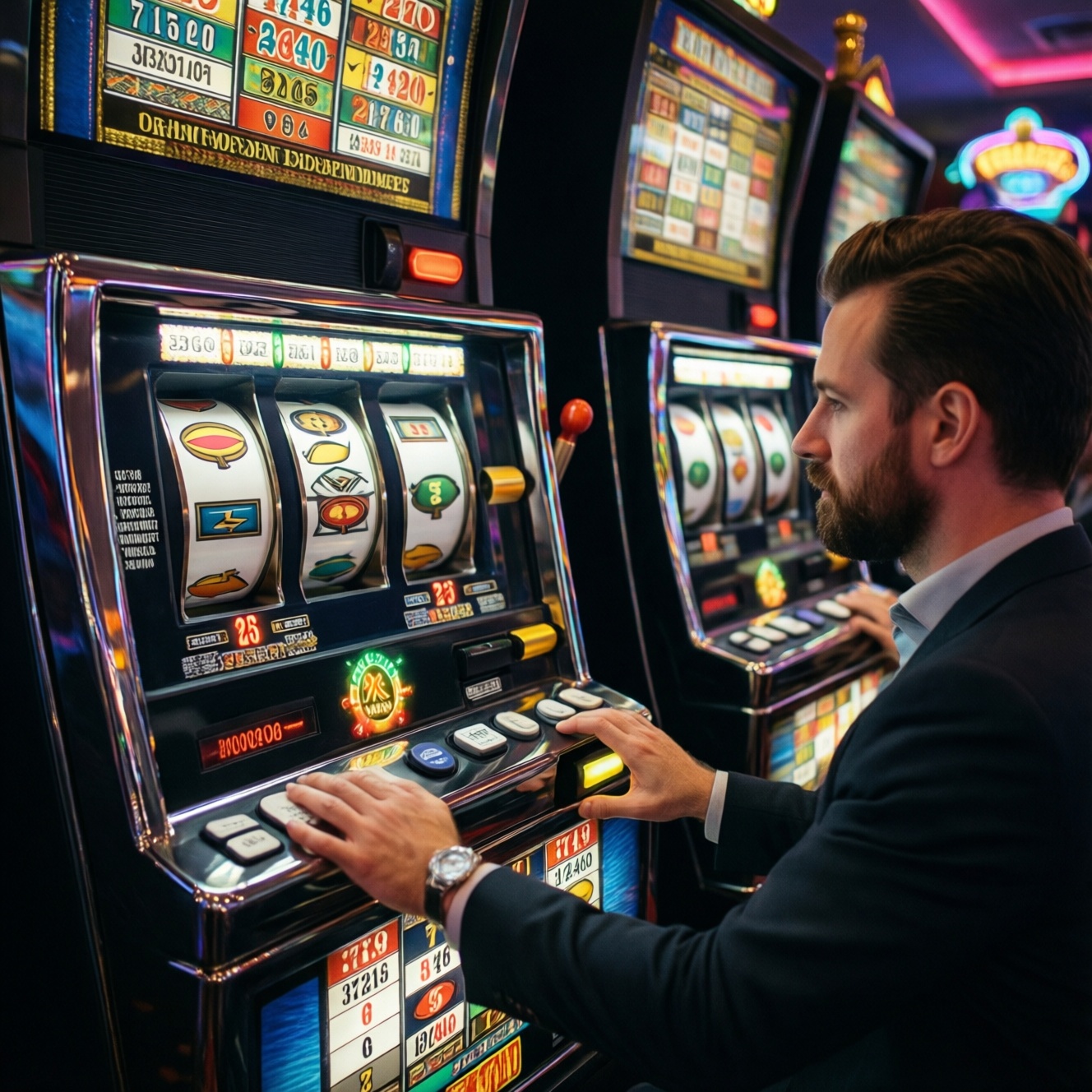

Spin rate (how fast each spin resolves) and autoplay (how many spins run with minimal input) directly shape how quickly you can spend money and how easily emotions escalate. Slower, capped autoplay with clear stop rules reduces budget shock and helps you stay deliberate. Measure your real casino slots spin rate first, then set limits you can actually enforce.
Core Spin-Rate Insights for Money and Mood
- Speed changes your spending pace more than it changes outcomes; treat it as a cashflow control.
- Autoplay is safest when it has short sessions, hard stop triggers, and a forced review between batches.
- What you feel as "hot/cold streaks" intensifies when spins resolve quickly and continuously.
- Measure your own online slots spin speed on your device; perceived speed often differs from real timing.
- Set "decision points" (planned pauses) so you can re-check budget, mood, and intent.
Understanding Spin Rate and Autoplay Mechanics

Who this is for: players who already use autoplay or are tempted by fast spins and want practical controls; also useful if you are comparing slot autoplay settings across games and devices.
When not to do it: if you are chasing losses, feeling impulsive, using alcohol/other impairing substances, or you notice you cannot stop at planned breaks. In those cases, do not use autoplay-switch to manual spins or stop the session entirely.
- Spin rate = time from pressing spin to seeing the final outcome and balance update.
- Autoplay = the game repeats spins automatically until a stop condition triggers (or you stop it manually).
- "Turbo/quick spin" and animations can change perceived pace even when the underlying spin timing is similar.
Measuring Spin Rate: Practical Tools, Metrics, and Baselines
To control speed, you need a baseline for your own setup (phone/PC, network, game). The goal is a usable number: spins per minute under your typical conditions.
What you need
- A timer (phone stopwatch is enough).
- One specific game and one specific bet size (keep it constant while measuring).
- Access to game settings: turbo/quick spin, animation intensity, and slot autoplay settings.
- A way to record results (notes app) for: mode, average seconds per spin, and your comfort level.
How to get a baseline (quick checklist)
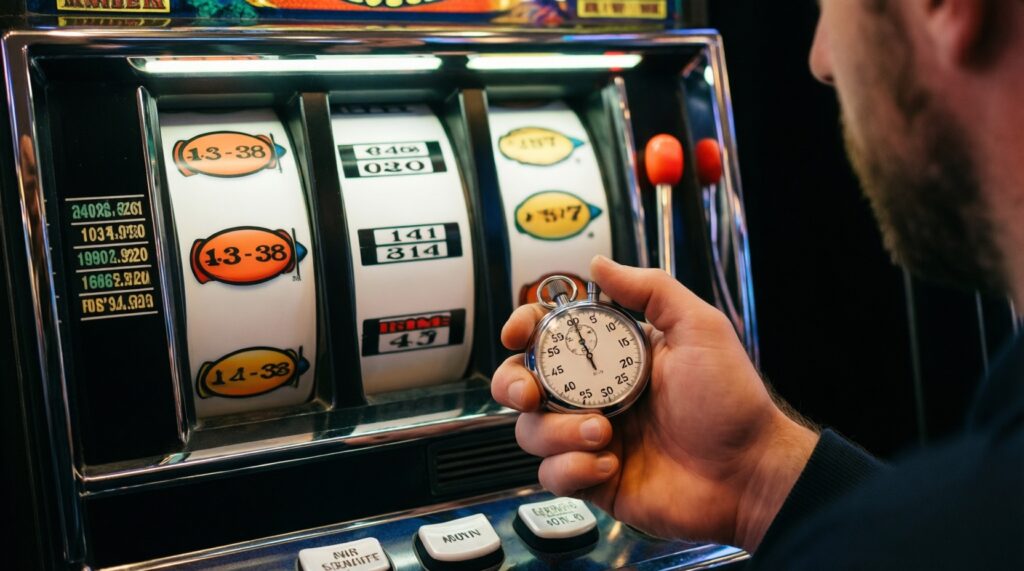
- Pick one mode to test first: manual, autoplay, or autoplay with turbo.
- Run a short, fixed sample (enough to feel consistent timing) and time the full run.
- Divide total seconds by number of spins to get seconds per spin.
- Convert to spins per minute: 60 ÷ (seconds per spin).
- Repeat once if the first run had interruptions (loading, pop-ups, lag).
Practical metrics to track
- Seconds per spin: most useful for budgeting and emotional pacing.
- Spins per minute: easiest way to compare configurations.
- Decision interval: how often you force a pause (e.g., every batch of autoplay spins).
- Comfort signal: a simple note like "calm / tense / impulsive" at each pause.
Budget Impact Analysis: How Spin Speed Alters Cost Structures
Use this to translate speed into a spending pace you can control. You are not predicting results; you are managing rate of spend.
Prep checklist before you calculate
- Set a session budget you can afford to lose and treat it as spent once the session starts.
- Choose one bet size to evaluate; do not mix sizes during the calculation.
- Measure your current seconds per spin in your chosen mode (manual/autoplay/turbo).
- Decide your maximum session time and your planned pause frequency.
- Disable "extras" you are not explicitly budgeting for (side bets, feature toggles, etc.).
-
Compute your spin pace. Convert your measured timing into spins per minute: 60 ÷ seconds per spin. This is the core input for everything else.
- If timing varies, use the slower (more conservative) pace for planning.
-
Convert pace into a cost-per-minute estimate. Multiply spins per minute by your bet size to get a simple spend-rate estimate (not a prediction of outcome).
- Example structure: (spins/min) × (bet) = "budget burn rate".
-
Choose a "review interval" you will actually follow. Pick a short batch length for autoplay, then force a stop to review budget and mood. Shorter batches reduce the chance you drift into autopilot.
- Set the interval inside slot autoplay settings if the game allows; otherwise use a phone timer.
-
Set hard stop-loss and stop-win triggers in the same unit. Define the maximum you will lose and a win point where you will stop or downshift (slower/manual). Keep triggers simple and visible.
- Use account balance deltas ("down by X", "up by Y"), not vague feelings.
- Downshift the spin rate before you change the bet size. If you feel pressure to "fix" the session by increasing stake, first slow the pace (disable turbo, switch to manual, reduce autoplay batch length). Speed control is a safer lever than stake escalation.
-
Handle feature temptations separately (including buy features). If you are considering a slot autoplay buy bonus or any instant-feature purchase, treat it as a separate decision with its own budget cap and a forced pause beforehand.
- Do not allow feature purchases to happen mid-autoplay without a stop-and-review.
Designing Autoplay Limits and Throttles to Protect Funds
- Autoplay runs in short, pre-set batches (not "infinite" or very large counts).
- Turbo/quick spin is off unless you have explicitly planned for faster pacing.
- Auto-stop triggers are enabled where available (loss limit, win limit, single-win limit, balance change).
- A timer-based pause exists even if the game has weak autoplay controls.
- Notifications and distractions are reduced (so you notice stop prompts).
- You can state your next action at each pause: stop, continue same, slow down, or lower stake.
- Your payment method is not "one-click" topped up during the session (avoid seamless reload).
- You have a pre-commit rule: if you break one rule, you end the session.
Emotional Dynamics: Player Response Patterns at Different Speeds
- Confusing speed with control: faster spins feel decisive, but they reduce reflection time and raise impulsivity risk.
- Chasing the "next spin": rapid cycles reinforce "just one more" thinking before you notice spend.
- Escalating after near-misses: quick resolution can amplify frustration and trigger stake increases.
- Autoplay numbness: continuous spins can detach you from the value of each bet, making limits feel abstract.
- Skipping breaks: if you ignore one pause, you'll likely ignore the next; treat the first miss as a stop signal.
- Overreacting to short streaks: fast sequences make normal variance feel like a meaningful pattern.
- Mixing speed changes with stake changes: changing both at once makes it hard to detect what is driving stress and spending.
- Buying features under arousal: deciding on a buy feature while tense is a common regret pattern-pause first.
Operational Checklist for Implementing Safe-Speed Controls
If you cannot achieve a safe pace with your current setup, use one of these alternatives instead of trying to find the best slot autoplay speed through willpower alone.
- Manual-only protocol: play without autoplay, keep turbo off, and pause every few spins to re-check budget and mood. Best when you are prone to "zoning out."
- Timer-governed autoplay: if casino UI controls are limited, run autoplay in short batches and use an external timer to force breaks. Useful when online slots spin speed varies by game.
- Low-stimulation mode: disable turbo, reduce animations/sounds where possible, and avoid multi-feature screens. Appropriate when you notice agitation or tunnel vision.
- No-feature session: pre-commit to "no buy feature / no slot autoplay buy bonus" for the whole session. Use this when you tend to make expensive decisions mid-session.
Typical Concerns, Rapid Clarifications, and Next Steps
Where do I find slot autoplay settings in most games?
Look for "Autoplay/Auto Spin" near the spin button or in a settings menu. Before starting, check for batch size, stop conditions, and whether turbo/quick spin affects autoplay pacing.
Is faster online slots spin speed always worse for bankroll control?
Faster speed increases how quickly you can spend, which raises risk if you are not using strict limits. If you have short batches, enforced pauses, and a fixed budget, you can manage it-but slower pacing is usually easier to follow.
What is a practical way to estimate my casino slots spin rate?
Time a short run of spins on your device, divide seconds by spins to get seconds per spin, then convert to spins per minute. Re-test after switching turbo or autoplay because timing can change.
What is the best slot autoplay speed for staying calm?
The best slot autoplay speed is the one that still allows you to notice balance changes and follow planned pauses. If you feel rushed, tense, or tempted to raise bets, slow down immediately and shorten autoplay batches.
Should I use autoplay if I'm trying to stick to a strict budget?
Only if you can cap it with short batches and clear auto-stop rules. If you have a history of ignoring limits, manual play is safer.
How should I treat a slot autoplay buy bonus decision?
As a separate purchase that requires a full stop, a re-check of your remaining budget, and a clear "yes/no" before continuing. Never allow it as an impulsive mid-autoplay action.