
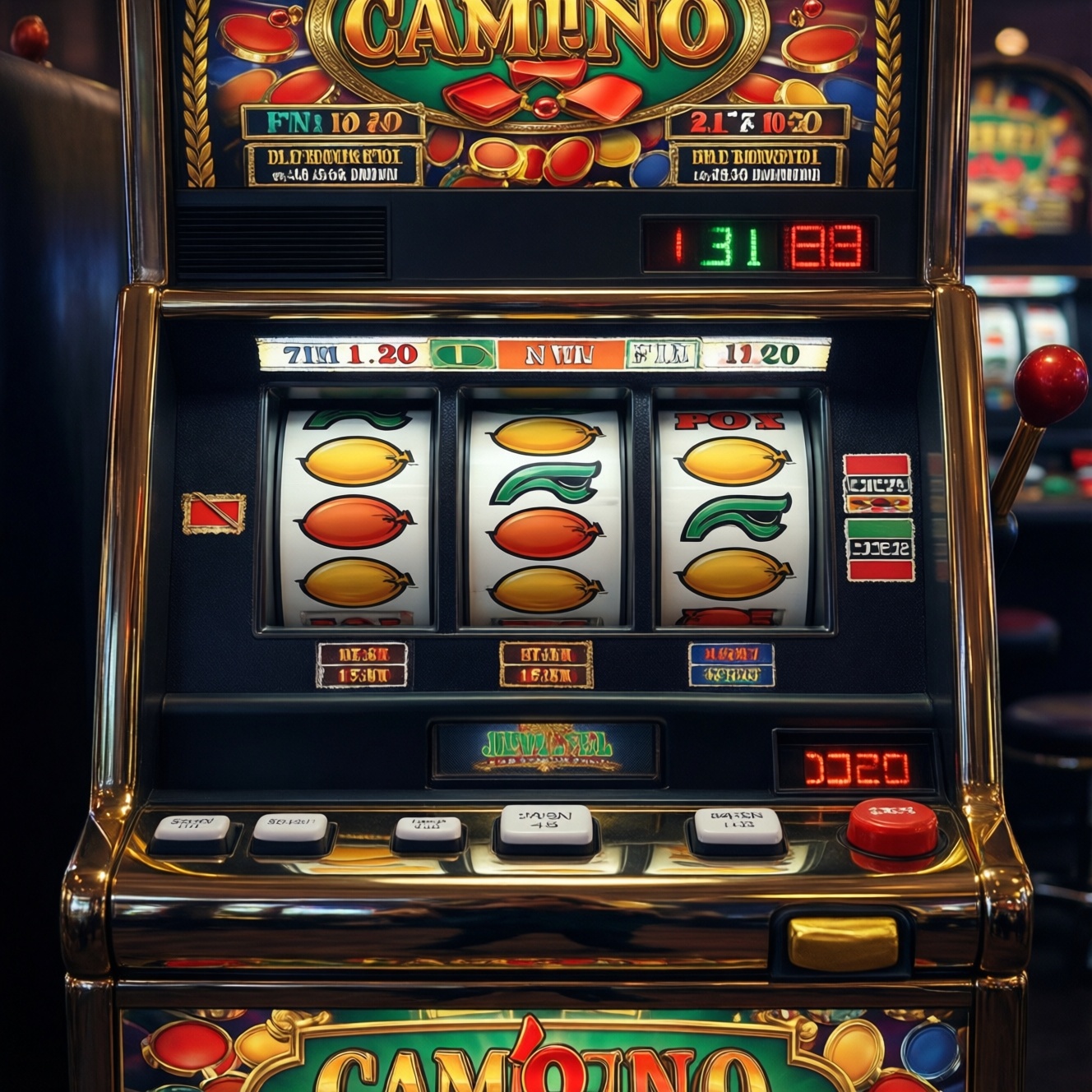
Volatility in slots is the "shape" of your win distribution: how often you win and how big those wins tend to be. It explains why some games feel quiet for long stretches but then hit hard, while others pay frequently but lightly. If you're asking ความผันผวนสล็อต คืออะไร, treat it as a practical risk setting that should drive bet size, session length, and expectations.
Core volatility concepts at a glance
- Low volatility = more frequent small wins; high volatility = fewer but larger wins.
- Volatility is about variance and payout distribution, not "better RTP."
- A game can have the same RTP as another yet feel totally different because volatility differs.
- "Hit rate" (how often you win anything) is not the same as volatility, but it's a useful clue.
- Your bankroll rules should change by volatility: higher volatility needs smaller bets and longer time.
- "สล็อตแตกบ่อย กับ แตกหนัก ต่างกันยังไง" maps closely to low (break often) vs high (break heavy) volatility.
What volatility means in slot and casino games
Volatility describes how outcomes swing around the average. In slots, the "average" is represented by RTP over a very long run, but volatility explains the path you take to get there: smooth with many small returns, or lumpy with long dry spells and occasional spikes.
Practically, volatility answers two player questions: (1) how long you can go without a meaningful hit, and (2) what size of hit is realistic when it finally comes. That's why two games with similar RTP can feel like different products-one keeps your balance moving, the other tests your patience.
In everyday Thai slot talk, players often label games as สล็อตความผันผวนต่ำ (steady, pays often) or สล็อตความผันผวนสูง (quiet, then explosive). Both can be "good" depending on your bankroll, goals, and tolerance for swings.
| Term players use | What it usually means | What you should do about it |
|---|---|---|
| "Paying often" (แตกบ่อย) | Higher hit frequency, smaller typical wins (lower volatility tendency) | Use slightly larger bet sizing relative to bankroll; expect fewer huge spikes |
| "Silent then big" (เงียบแล้วหนัก) | Lower hit frequency, wins concentrated in features (higher volatility) | Reduce bet size; plan longer sessions; set strict stop-loss |
| RTP | Long-run expected return (average), not short-run feel | Don't use RTP alone to predict session smoothness |
How low-volatility games produce frequent small wins
สล็อตความผันผวนต่ำ usually "feeds" you more often because more of the total payout is allocated to base-game hits and small-to-medium combinations, not locked behind rare features.
- Payout budget is spread out: more symbols/ways create small wins regularly instead of saving most value for one bonus.
- Base game matters more: you can see returns without needing a special trigger.
- Features (if any) are less extreme: bonuses may trigger more often but typically don't multiply as hard.
- Balance movement feels smoother: frequent "mini-refunds" reduce long dead stretches, even if many wins are near your bet size.
- Lower risk of long downswings: not eliminated-just less severe on average.
How high-volatility games produce rare large payouts
สล็อตความผันผวนสูง concentrates a large share of its payout potential into rare events-big multipliers, stacked wild sequences, or bonus rounds with high ceilings-so your session can look "dead" until it suddenly isn't.
- Feature-driven design: most meaningful value is inside free spins/hold-and-win/bonus games rather than the base game.
- High maximum win (or strong multipliers): the game reserves potential for big spikes, which usually reduces regular small payouts.
- Longer "non-event" stretches: many spins can be losses or tiny hits, especially if wins are clustered around rare setups.
- Volatility increases with "boost" options: buying bonuses or paying extra for feature triggers often shifts the distribution toward fewer, bigger outcomes.
- Hunting a specific hit: sessions are often played around landing one strong bonus rather than grinding frequent returns.
Mini-scenarios: how the same bankroll plays out differently
- Scenario A (low volatility): You want a smoother 30-60 minute session. You accept many small wins and fewer "story" moments. Good when you're testing a new slot or keeping variance controlled.
- Scenario B (high volatility): You're willing to see long quiet periods to chase a standout bonus. You plan your session around surviving drawdowns, not around constant hits.
- Scenario C (mixed goal): Start with low volatility to warm up / set a baseline, then move to a high-volatility title for a defined number of spins with a strict stop-loss.
Practical bankroll and session strategies by volatility
Volatility is most useful when it changes your actions. Use it to set bet size, session length, and stopping rules before you spin.
Simple rules of thumb you can apply immediately
- High volatility: reduce bet size and predefine a "survival runway." If you can't tolerate a long quiet stretch, you're overbetting for that game.
- Low volatility: you can bet a bit more relative to bankroll, but don't confuse frequent small wins with "safety" or guaranteed profit.
- When testing a new slot: start smaller for the first portion of your session; only scale if the win pattern matches your plan (not your emotions).
- Stop-loss is mandatory on high volatility: decide the maximum session loss upfront; don't "average down" chasing the rare feature.
Pros and limitations to keep you disciplined
- Low volatility pros: smoother sessions, fewer extreme swings, easier bankroll control for casual play.
- Low volatility limits: less chance of a dramatic spike in a short session; "feels good" can mask slow leakage if you keep extending play.
- High volatility pros: the session can be transformed by one strong feature; excitement and upside are higher.
- High volatility limits: longer dead periods are normal; short sessions can be misleading; emotional tilt risk rises.
Detecting volatility from paytables, hit frequency, and RTP patterns
You rarely get a perfect "volatility number" from a game screen, so you infer it from cues. Avoid these common mistakes while doing that.
- Myth: RTP tells you volatility. RTP is an average; volatility is the distribution. Two slots with similar RTP can feel opposite.
- Mistake: judging by a short sample. A few bonuses (or none) doesn't prove anything-high volatility especially needs longer observation to reveal its pattern.
- Misread: "hit frequency" equals low volatility. Some games hit often with tiny returns but still rely on rare massive bonuses for real profit moments.
- Overtrusting "max win" alone. A high maximum can hint at high volatility, but not every high-max slot is equally punishing in the base game.
- Ignoring where the value sits. If paytable/feature info suggests most big multipliers are inside bonuses, expect higher volatility behavior.
Choosing the right volatility for your goals and risk tolerance
If your main question is วิธีเลือกสล็อตตามความผันผวน, decide based on what you want the session to feel like, then force your bet sizing to match that choice. Use the "แตกบ่อย vs แตกหนัก" lens: do you want frequent small reinforcement or are you explicitly hunting a rare big moment?
A quick decision recipe (mini pseudo-code)
- Set Goal: "long play & smooth" or "hunt a spike."
- Set Risk tolerance: "I hate long dead periods" or "I can accept them."
- If Goal = smooth OR Risk tolerance = low, pick สล็อตความผันผวนต่ำ.
- If Goal = spike AND you can accept dead periods, pick สล็อตความผันผวนสูง.
- Before spinning, lock two numbers: max session loss and session length (spins/time).
Mini-case: translating "แตกบ่อย vs แตกหนัก" into an actionable plan
You have a fixed session budget and two games. Game A is described by players as แตกบ่อย: you choose it when you want to keep the session alive and avoid long silence. Game B is described as เงียบแล้วหนัก: you only choose it after lowering your bet size and deciding exactly when you stop, because long droughts are part of the design, not a sign the game is "due."
Player questions and quick answers about volatility
ความผันผวนสล็อต คืออะไร in one line?
It's how widely outcomes swing: low volatility pays smaller wins more often, while high volatility pays bigger wins less often.
Is สล็อตความผันผวนสูง always better because it can pay huge?

No. It only means the path to big payouts is usually rarer and rougher, so you must bet smaller and expect longer losing stretches.
Does สล็อตความผันผวนต่ำ guarantee profit because it pays frequently?

No. Frequent wins can still be small and below your total stake over time; it just makes the session feel smoother.
สล็อตแตกบ่อย กับ แตกหนัก ต่างกันยังไง in practical terms?
แตกบ่อย usually means more frequent small wins (lower volatility tendency). แตกหนัก means fewer events but a higher chance that a bonus creates a large spike (higher volatility).
How can I spot volatility quickly without a "volatility rating"?
Look for where the value sits: if big multipliers and most payoff potential are in rare bonuses, expect higher volatility; if the base game pays regularly, expect lower volatility behavior.
What's the safest วิธีเลือกสล็อตตามความผันผวน for a short session?

Choose lower volatility and keep expectations modest; short sessions often fail to show the "true" pattern of high-volatility games.
Does buying bonuses change volatility?
Often yes in practice: it compresses play into fewer, higher-stakes events, which can feel more volatile even if RTP is similar.